A high-quality cutting board is one of the most important tools in any kitchen. Whether you’re preparing vegetables, slicing meat, serving cheese, or protecting your kitchen knives, choosing the right cutting board can make cooking easier, safer, and more hygienic.
Today, cutting boards are available in a variety of materials including wood, bamboo, rubber, plastic, and glass. Each material offers unique advantages depending on your cooking habits, maintenance preferences, and kitchen setup.
In this guide, we compare the most popular cutting board types available in 2026, including wooden cutting boards, bamboo boards, rubber boards, plastic boards, and glass boards. We’ll also explore the different styles of wooden cutting boards, including edge grain, end grain, and face grain construction.
1. Wood Cutting Boards
Wood cutting boards remain one of the most popular choices for both home cooks and professional chefs. They offer an excellent balance of durability, knife-friendliness, appearance, and long-term value. Popular hardwood options include maple, walnut, cherry, and teak.
One of the biggest advantages of wood is that it is gentle on knife edges while providing a stable cutting surface. Wooden boards can also double as serving boards for bread, cheese, and charcuterie.
Depending on how the wood is constructed, wooden cutting boards are typically divided into these categories:
End Grain Cutting Boards
End grain cutting boards are considered the premium option among wooden boards. They are made by arranging wood fibers vertically, allowing knife blades to slide between the fibers rather than cutting across them.
This construction helps preserve knife sharpness while reducing visible knife marks. The wood fibers naturally close after cutting, creating the well-known “self-healing” effect.
Although more expensive and heavier than other wooden boards, end grain boards can last for many years with proper maintenance.
Best for: Professional kitchens, heavy food prep, knife protection.
Pros
- Exceptional knife friendliness
- Self-healing surface
- Extremely durable
- Premium appearance
Cons
- Higher cost
- Heavier weight
- Requires regular maintenance

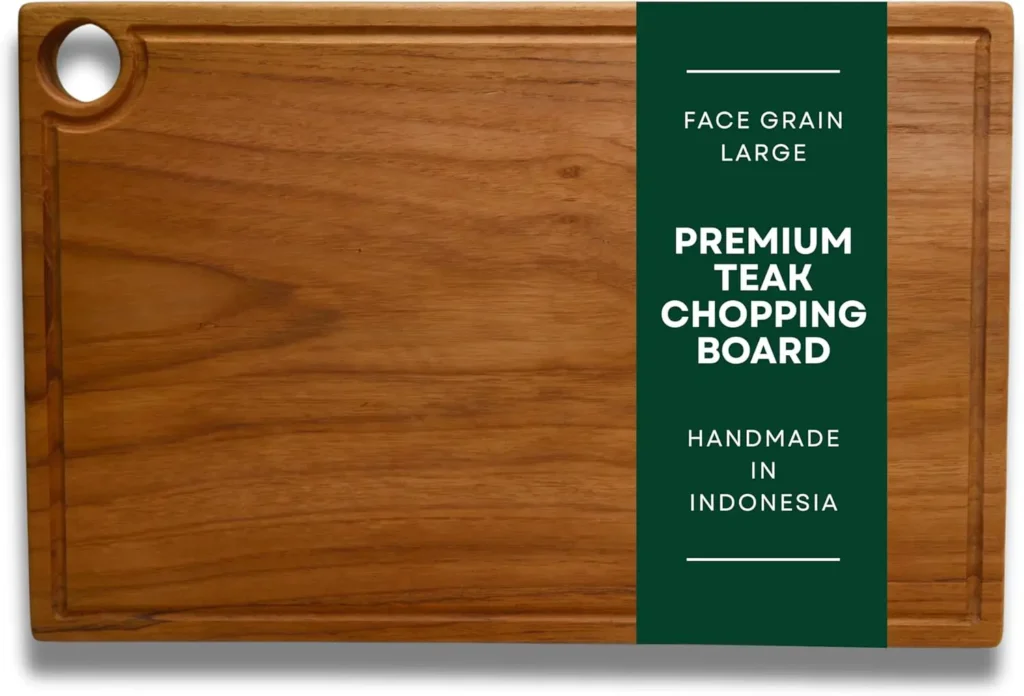
Face Grain Cutting Boards
Face grain boards display the widest surface of the wood, highlighting the natural grain patterns and creating an attractive appearance. These boards are commonly used as serving boards, charcuterie boards, and decorative kitchen pieces.
While visually appealing, face grain boards are generally less resistant to knife wear than edge grain or end grain boards and are not usually the preferred choice for heavy chopping.
Best for: Serving food, charcuterie boards, decorative kitchen use.
Pros
- Beautiful wood grain appearance
- Excellent for serving and presentation
- Often less expensive than end grain boards
Cons
- Shows knife marks more easily
- Less durable for heavy chopping
2. Bamboo Cutting Boards
Bamboo cutting boards have become increasingly popular because of their sustainability and modern appearance. Bamboo grows much faster than traditional hardwood trees, making it an environmentally friendly option.
These boards are lightweight, durable, and naturally resistant to moisture. Bamboo also resists staining and odors relatively well, making it suitable for everyday kitchen tasks.
However, bamboo is generally harder than many hardwoods, which may cause slightly more wear on knife edges over time.
Best for: Eco-conscious buyers, modern kitchens, lightweight daily use.
Pros
- Sustainable material
- Lightweight
- Moisture-resistant
- Attractive appearance
Cons
- Slightly harder on knives
- Requires occasional oiling

3. Rubber Cutting Boards
Rubber cutting boards are commonly used in commercial kitchens because they combine excellent durability, sanitation, and knife protection.
The slightly softer surface helps reduce stress on knife edges while remaining highly resistant to deep grooves. Most high-quality rubber boards are non-porous and easy to sanitize, making them a favorite among professional chefs.
Their natural slip resistance also improves safety during food preparation.
Best for: Professional kitchens, food safety, frequent cooking.
Pros
- Excellent knife protection
- Slip-resistant surface
- Durable and sanitary
- Resistant to deep cuts
Cons
- Heavier than plastic boards
- More expensive than budget options

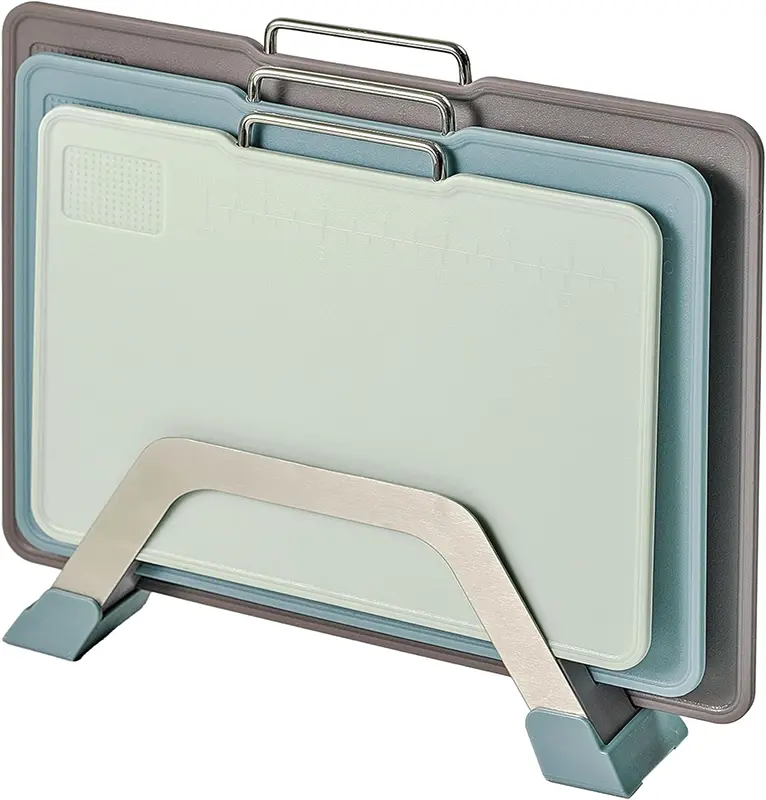
4. Plastic Cutting Boards
Plastic cutting boards remain one of the most practical and affordable options available. They are lightweight, inexpensive, and typically dishwasher-safe, making sanitation simple and convenient.
Many cooks use color-coded plastic boards to separate meats, vegetables, seafood, and cooked foods to reduce cross-contamination risks.
Over time, however, knife grooves can develop and may require replacement when wear becomes significant.
Best for: Budget kitchens, raw meat preparation, dishwasher cleaning.
Pros
- Affordable
- Easy to clean
- Dishwasher-safe
- Lightweight
Cons
- Develops knife grooves over time
- May need frequent replacement
5. Glass Cutting Boards
Glass cutting boards offer a sleek, modern appearance and are extremely easy to clean. Tempered glass surfaces resist stains, odors, moisture, and bacteria because they do not absorb liquids.
Many homeowners use glass boards as serving trays, countertop protectors, or decorative kitchen accessories. Products such as the Teka Glass Cutting Board are popular examples of this style.
However, glass is the least knife-friendly cutting board material. The hard surface can dull blades quickly and generate more noise during chopping.
Best for: Serving, presentation, countertop protection, easy cleaning.
Pros
- Extremely hygienic
- Easy to clean
- Stain-resistant
- Modern appearance
Cons
- Dulls knives faster
- Noisy during chopping
- Not ideal for heavy food preparation

6. Titanium Cutting Boards
Titanium cutting boards have gained popularity in recent years as a modern, ultra-durable alternative to traditional cutting board materials. Made from titanium or titanium-alloy surfaces, these boards are valued for their exceptional resistance to corrosion, moisture, stains, and odors.
Unlike wood, bamboo, or plastic boards, titanium is completely non-porous, meaning it does not absorb liquids, food particles, or bacteria. This makes cleaning quick and easy, while helping maintain a highly sanitary food preparation surface.
Another major advantage is durability. Titanium boards are resistant to warping, cracking, and long-term wear, making them a long-lasting option for home cooks who prioritize low maintenance. Their sleek metallic appearance also complements modern kitchen designs.
However, titanium cutting boards are considerably harder than wood or rubber boards. While this contributes to their durability, it may also cause more wear on knife edges over time. Some users also find them noisier during chopping compared to traditional cutting board materials.
For these reasons, titanium boards are often chosen for their hygiene, durability, and easy maintenance rather than maximum knife protection.
Best for: Hygiene-focused kitchens, easy maintenance, modern kitchens, long-term durability.
Pros
- Completely non-porous surface
- Resistant to stains, odors, and moisture
- Extremely durable and corrosion-resistant
- Easy to clean and maintain
- Modern appearance
Cons
- Harder on knife edges than wood or rubber
- Can be noisy during chopping
- Usually more expensive than plastic or bamboo boards
- Less forgiving cutting surface